
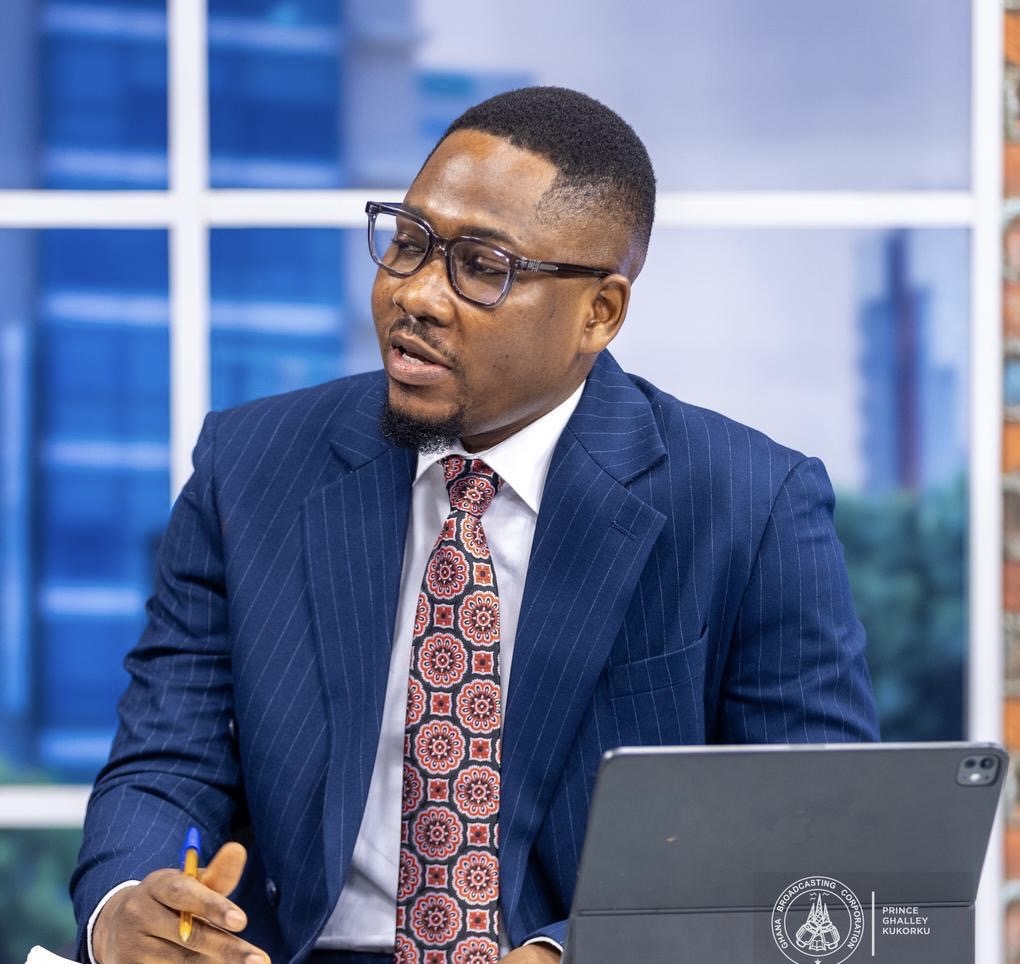
With an academic background in Economic Policy, Accounting and Finance, alongside professional experience in business management, operations and leadership, Richmond Akpah has built his work around one key question: How can economic decisions translate into meaningful improvements in people’s lives?
His experience in running a business has given him a practical understanding of the realities behind economic figures. He understands how taxation, government spending, access to finance, infrastructure and economic policies can affect businesses, employment and household incomes.
For Akpah, economic issues go beyond figures on a spreadsheet. They have direct consequences for individuals, businesses and communities.
This practical perspective has also influenced his activism and public advocacy. He believes in asking difficult questions, challenging decisions when necessary and advocating for accountability, responsible management of public resources and policies that create opportunities for people.
Over the years, Akpah has appeared on national television and radio platforms, contributing to discussions on Ghana’s economy, finance, business and public policy. His approach to economic analysis is straightforward: What do the numbers say? Why is it happening? And what practical steps can be taken to address it?
Akpah also believes that economic conversations should be accessible to everyone. Discussions about public policy should not be limited to boardrooms, government ministries or economics textbooks. Ordinary citizens deserve to understand how economic decisions affect their businesses, jobs, incomes and future.
Speaking about his views on activism, Richmond Akpah says:
“For me, activism is about using one’s voice and experience to speak on issues that affect people, question things when necessary and contribute to finding practical solutions. My goal is to continue bringing together financial discipline, business experience, economic analysis and public advocacy to contribute meaningfully to national development and to the conversations that shape Ghana’s economic future.”
SOURCE: Dklassgh.com